How High do Planes Fly?
How High Do Planes Fly?
Commercial passenger planes usually cruise around 35,000 feet, while private jets often fly at 45,000 to 51,000 feet. Small propeller airplanes like the Cessna 172 typically fly much lower, at just a few thousand feet.
How high do planes fly? It depends on the aircraft. Commercial passenger planes usually cruise around 35,000 feet, about 6.6 miles up, and some are certified to fly as high as 43,100 to 45,100 feet. Private jets often fly higher, at 45,000 to 51,000 feet. Smaller propeller airplanes like the Cessna 172 typically stay much lower. Weight, weather, trip length, and air traffic control instructions all affect the altitude a pilot actually flies on a given day.
How high an airplane flies varies widely by what type of aircraft it is.
Commercial airliners typically cruise at altitudes between 30,000 and 40,000 feet. While smaller propeller airplanes like a Cessna 172 will typically fly much lower.
In this article we’ll cover how high an airplane can fly and what altitudes specific aircraft typically cruise at.
How High do Commercial Planes Fly?
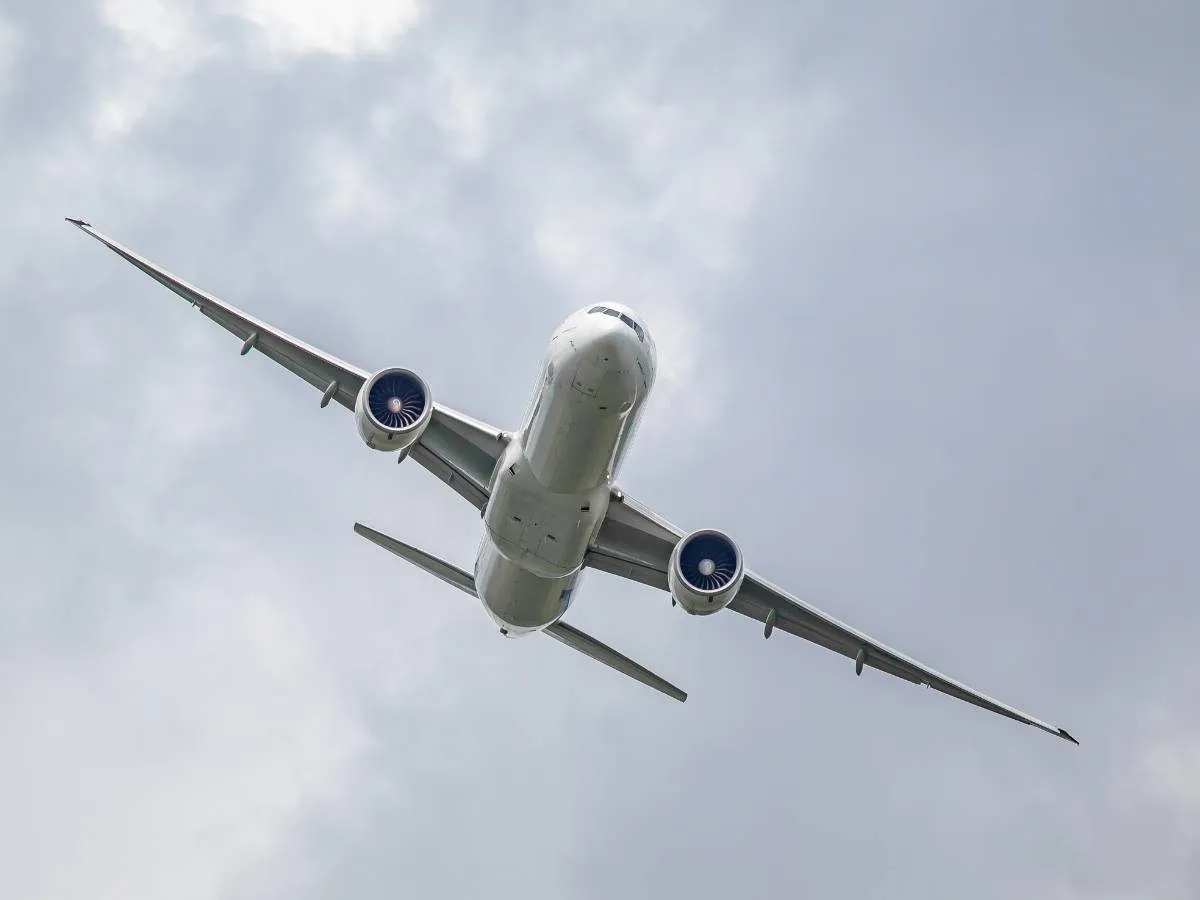
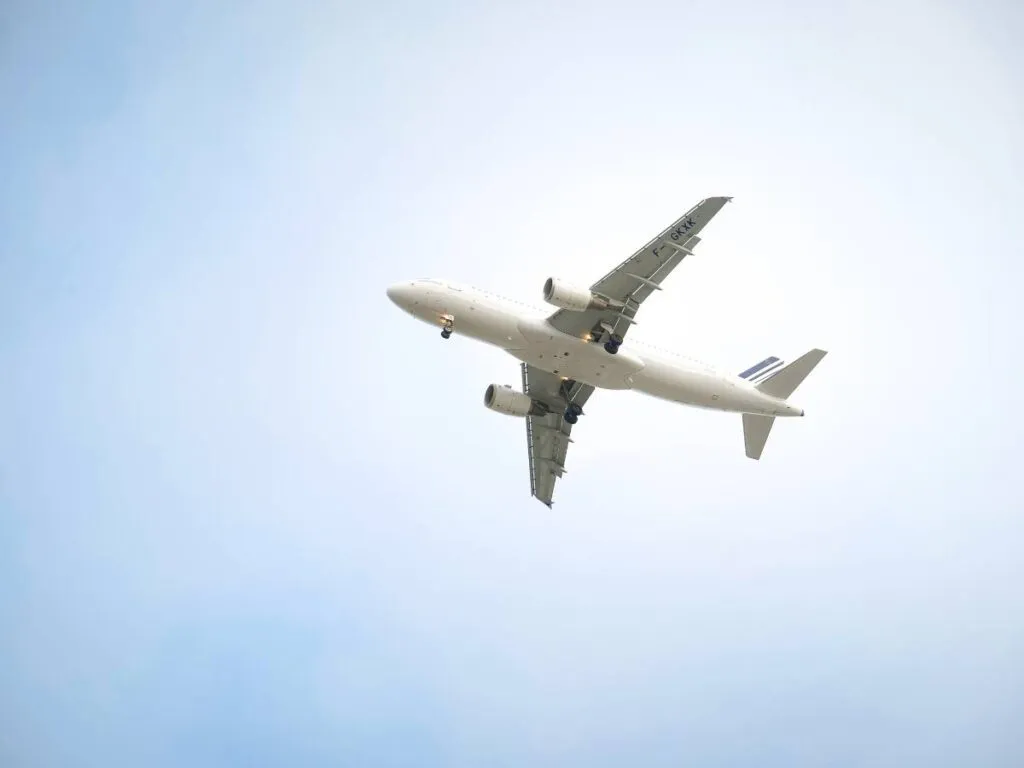
Commercial passenger planes usually cruise at about 35,000 feet, or around 6.6 miles high. Some airliners, such as the Airbus A350 and Boeing 777, have service ceilings of 43,100 feet.
Commercial passenger planes usually cruise at about 35,000 feet. That’s around 6.6 miles up in the sky.
Long-haul jets such as the Airbus A350, Boeing 777, and Boeing 787-8 and 787-9 are certified to 43,100 feet, and the Boeing 747-400 is certified to 45,100 feet. How high a commercial plane flies at depends on the type of aircraft, how much it weighs, what air traffic control says, and the weather.
| Aircraft | Cruising Altitude (ft) | Service Ceiling (ft) |
|---|---|---|
| Airbus A320 | 33,000-37,000 | 39,100 |
| Airbus A330 | 35,000-39,000 | 41,450 |
| Airbus A350 | 35,000-41,000 | 43,100 |
| Airbus A380 | 35,000-43,000 | 43,000 |
| Boeing 737 | 35,000-37,000 | 41,000 |
| Boeing 747 | 33,000-37,000 | 45,100 (747-8: 43,100) |
| Boeing 777 | 35,000-41,000 | 43,100 |
| Boeing 787 | 35,000-43,000 | 43,100 (787-10: 41,100) |
| Bombardier CRJ900 | 31,000-39,000 | 41,000 |
| Embraer E175 | 33,000-39,000 | 41,000 |
| Cessna Citation X | 41,000-47,000 | 51,000 |
| Gulfstream G650 | 41,000-47,000 | 51,000 |
| Embraer Phenom 300 | 41,000-45,000 | 45,000 |
| Cirrus Vision Jet | 25,000-28,000 | 31,000 |
| HondaJet | 35,000-43,000 | 43,000 |
| Cessna 172 | 8,000-12,000 | 14,000 |
How High Can Private Jets Fly?
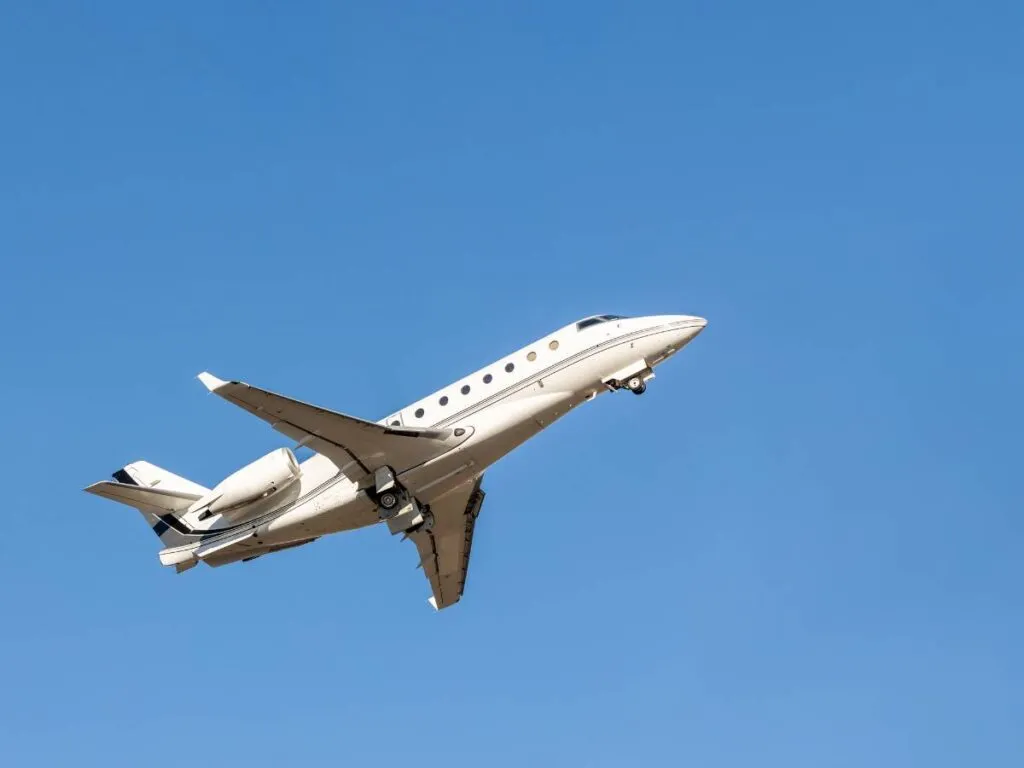
Private jets often fly at 45,000 to 51,000 feet, higher than commercial airliners. Fast climbs and better cabin pressure systems let private jets reach those altitudes and avoid busy air traffic and bad weather below.
Private jets often fly higher than commercial planes. They can reach altitudes of 45,000 to 51,000 feet. This lets them avoid busy air traffic and bad weather below.
Private jets can fly higher than commercial planes for a few reasons:
- Quick climbs: They can zoom up to high altitudes fast.
- Better pressure systems: They keep the cabin comfortable at greater heights.
- Unique selling point: Flying higher means a smoother, more luxurious trip.
Factors Affecting Flight Altitude
Flight altitude depends mainly on trip length, aircraft weight, and efficiency. Short trips may top out at 25,000 to 30,000 feet, while a Boeing 747 on a long flight typically cruises between 35,000 and 40,000 feet.
Many factors impact how high a plane flies. For short trips, planes might only reach altitudes of 25,000 to 30,000 feet because it isn’t worth the fuel consumption to reach their normal cruising altitude.
On longer journeys, larger aircraft like the Boeing 747 typically cruise between 35,000 and 40,000 feet. During long overnight flights, these planes might climb even higher as they burn fuel and become lighter.
Each aircraft has a “sweet spot” where it flies most efficiently, balancing the optimal conditions for both the air and the engines.
Limits on How High Planes Can Go
Aircraft altitude is limited by structural strength, cabin pressure system limits, and engine performance. Safety margins for emergency descents, fuel efficiency, and aviation authority regulations also cap how high an airplane may fly.
Most planes can’t fly at extremely high altitudes for several reasons.
First, the building materials must be strong enough to withstand the immense pressure and cold at such heights.
Additionally, the cabin pressure systems designed to keep the air comfortable inside the plane have their operational limits. Engines and other critical systems also perform best at specific altitudes, ensuring optimal efficiency and safety.
Safety considerations are paramount; if something goes wrong at high altitudes, pilots need enough time to react and safely bring the plane down. In emergencies, planes must be able to descend quickly without exceeding safe speeds.
Moreover, planes are engineered to use fuel most efficiently at certain heights.
Lastly, aviation authorities set strict regulations, allowing planes to fly only as high as they have been tested and proven safe.
Altitude Range for Other Aircraft
Propeller planes usually fly below 10,000 feet, though some reach 25,000 feet. Helicopters typically fly around 2,000 feet, and supersonic jets like the Concorde flew as high as 60,000 feet.
While we’ve covered some of the most common commercial aircraft altitudes, here are some details on how high other aircraft fly.
- Propeller planes: Usually below 10,000 feet, but some can reach 25,000 feet.
- Helicopters: Typically around 2,000 feet, but can go higher if needed.
- Supersonic jets (like the old Concorde): Up to 60,000 feet.
How High Can Military Aircraft Fly?
Military aircraft fly at a variety of altitudes based on the aircraft ability as well as the purpose of the mission. Here are some of the most common military aircraft and how high they can fly.
Fighter Jets
- F-22 Raptor and F-15 Eagle: Up to 65,000 feet
- F-35 Lightning II: Around 50,000 feet
Big Bombers
- B-2 Spirit and B-52 Stratofortress: About 50,000 feet
- B-1B Lancer: Up to 60,000 feet
Spy Planes
- U-2 Dragon Lady: Around 70,000 feet
- SR-71 Blackbird (no longer used): Over 85,000 feet
Cargo Planes
- C-130 Hercules: About 30,000 feet
- C-17 Globemaster III: Up to 45,000 feet
Drones
- RQ-4 Global Hawk: Around 60,000 feet
- MQ-9 Reaper: Up to 50,000 feet
Super High Flyers
The X-15 rocket plane reached over 350,000 feet and still holds the speed record for a crewed airplane. The X-15 is no longer in use.
- X-15 Rocket Plane (not used anymore): Reached over 350,000 feet and still holds the speed record for a crewed airplane.