Cessna Caravan Price: How Much Does a Caravan Cost?
What Is the Cessna Caravan Price?
Cessna doesn't publish a Cessna Caravan price, but broker listings give a useful estimate. Recent listings for newer pre-owned Caravans have ranged from $3 million to $3.5 million, which suggests a factory-new aircraft costs roughly $3.6 million to $4.2 million. Used Cessna 208 Caravan prices average $1.9 million to $2.4 million, depending on airframe age, usage, and engine condition. Operating one for about 300 hours a year runs around $400,000 annually.
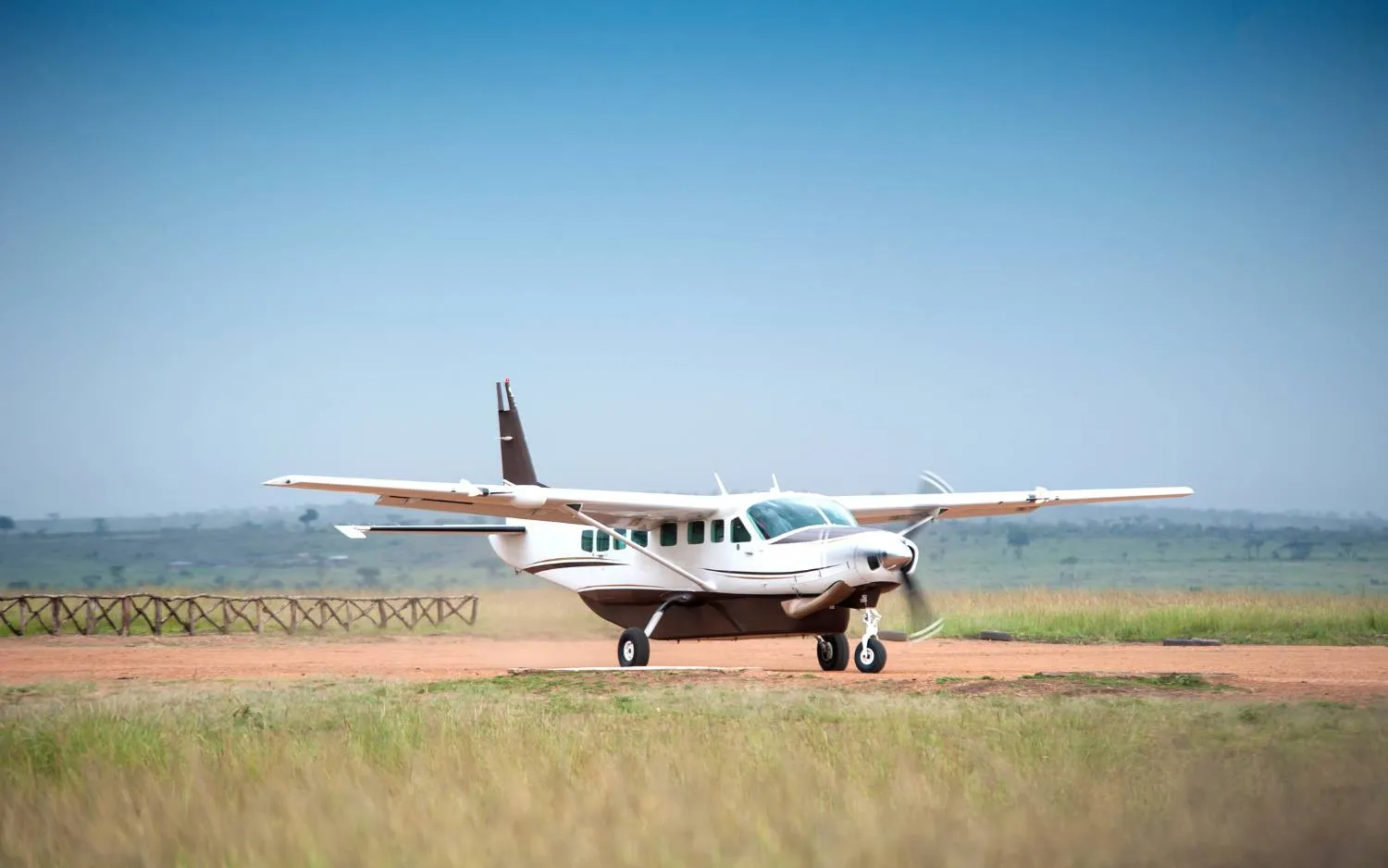
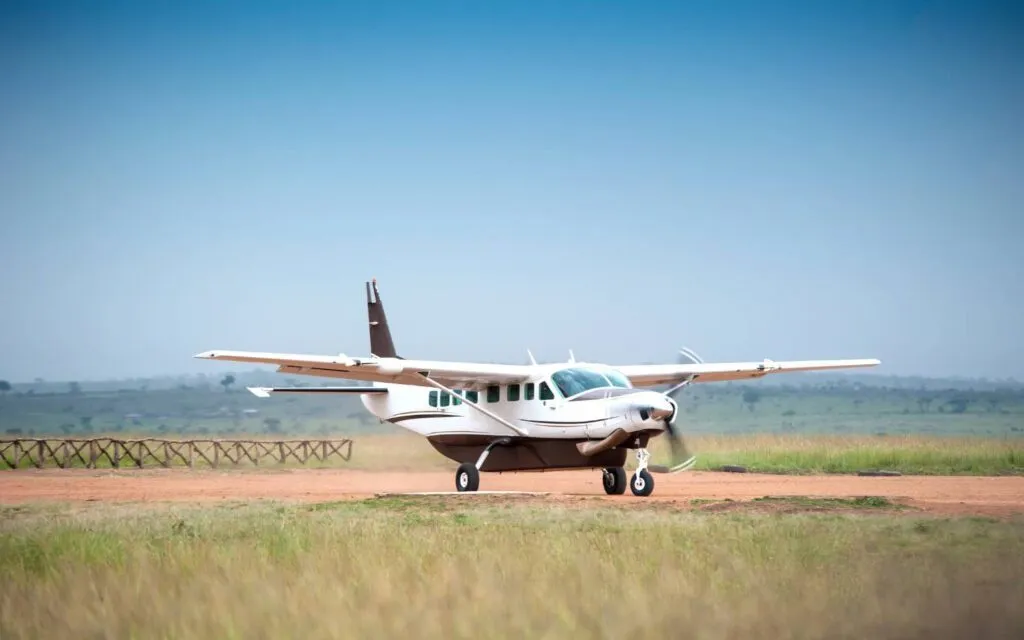
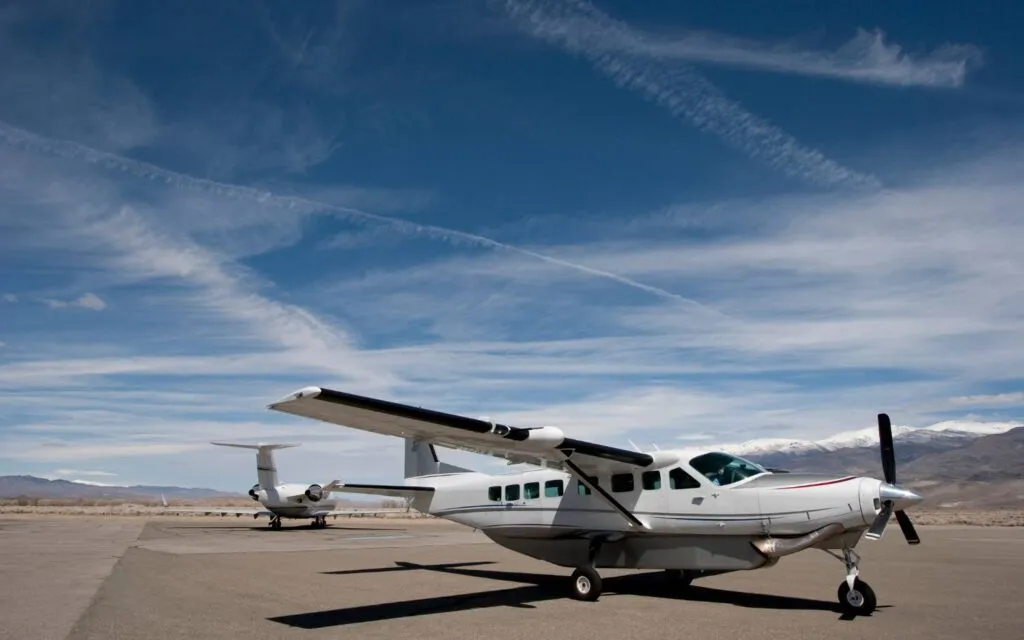
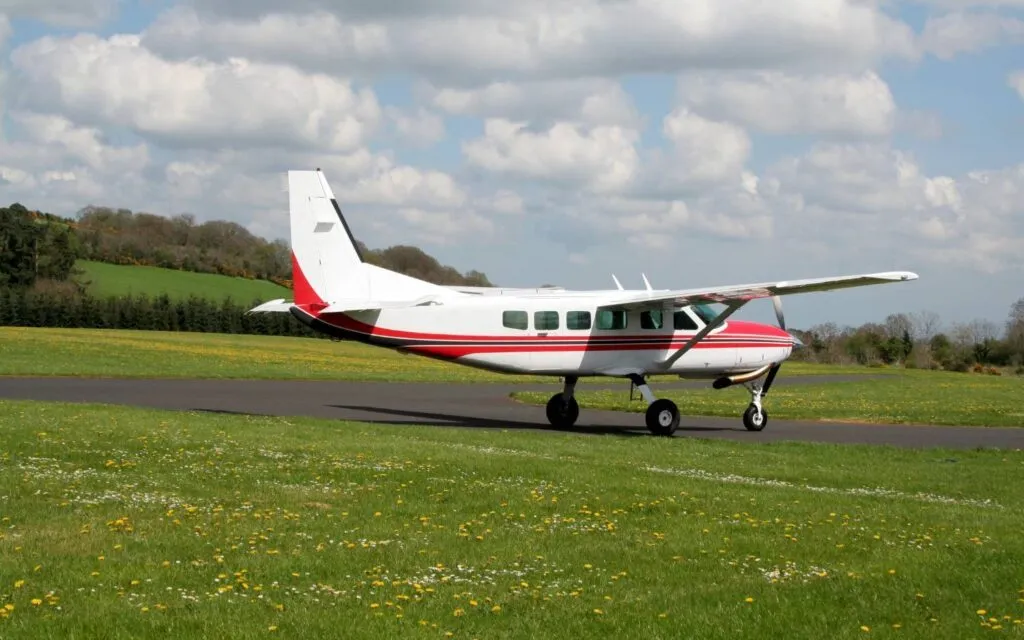
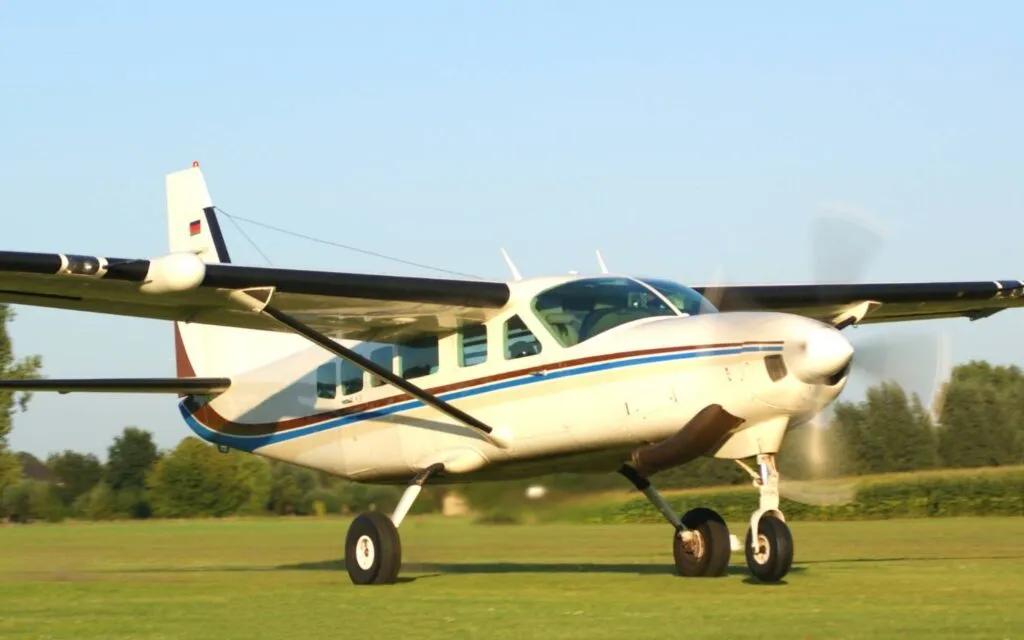
The Cessna 208 Caravan first flew in 1982 and was designed as a transport and cargo aircraft. It has a single engine, tricycle landing gear, and a strutted high-wing design that makes it look like a Cessna 172‘s big sister.
The first cargo versions were developed specifically for FedEx, which is still one of the type’s largest operators.
All are unpressurized and originally equipped with Pratt and Whitney PT6 turboprop engines. According to Wikipedia, more than 3,000 have been delivered to date.
Cessna currently sells two versions: the regular caravan (C-208) and the Grand Caravan EX (C-208B).
The Grand Caravan is slightly larger, has more power, and greater payload-carrying capabilities.
Both models are also available with external cargo pods or amphibious floats. The floatplane option, as well as the rugged gear on the standard version, make the Caravan ideal for a wide variety of operations. Cessna also now makes a twin-engine version: the Cessna 408 SkyCourier.
Here’s a look at the various costs associated with owning a Cessna Caravan, as well as how much you could expect to pay for one.
Cessna Caravan Cost: New vs. Used
Cessna does not publish pricing data on their website, but a quick poll of online brokerage sites like Trade-a-plane and Controller provides useful data on about how much a Caravan might cost.
New Caravans
A factory-new Cessna Caravan likely costs around $3.6 to $4.2 million, assuming about 20 percent depreciation. Controller lists three newer pre-owned Caravans for between $3 and $3.5 million, and factory customization can widen the range.
Recent Controller listings for three newer (although pre-owned) Caravans have ranged from $3 million to $3.5 million. With such a small sample size, it’s impossible to glean meaningful data from the numbers.
But, if we assume a depreciation of about 20 percent from new prices, it would put the purchase cost of a factory-new aircraft somewhere around $3.6 to $4.2 million, though the range is likely larger based on how you customize the aircraft from the factory.
Used Caravans
A used Cessna Caravan typically costs between $1.9 and $2.4 million, according to several brokerage sites. On Controller, nine Caravans over five years old are listed between $1.4 and $3.2 million, depending on airframe age, usage, and engine condition.
Actual sales data is hard to obtain since aircraft deals are negotiated privately between buyer and seller.
Plus, pre-owned Caravan prices vary widely due to the age of the airframe, its usage, and the condition of the engine. Several brokerage sites list the average cost to acquire a Caravan at between $1.9 and $2.4 million.
Recent Controller listings for nine aircraft over five years old have ranged from $1.4 million to $3.2 million.
Caravan Leases
As with many charter-type aircraft, many operators lease their aircraft instead of purchasing them outright. The average charter rate for the aircraft is about $1,250 per hour, not including profits.
Caravan Cost Breakdown
Costs for operating your Caravan can be broken down into fixed (those which will remain the same no matter how much you fly) and variable (those costs that will increase with every additional hour flown).
Fixed Costs
Examples of fixed costs for a Cessna Caravan include hangar leases, crew pay and training, insurance premiums, annual inspections, and aircraft management costs.
Brokerage site EvoJets lists the fixed annual ownership costs to be between $19,072 and $171,652.
These costs vary so much due to the many different missions these aircraft can fulfill.
When operated for charter, crew salary and training must be included. Another site lists the fixed cost at $187,915, of which about $90,000 is for crew costs.
Variable Costs
Cessna Caravan variable costs run between $519 and $635 per hour, according to EvoJets. Variable costs cover hourly maintenance and overhaul, fuel, and airport or landing fees, with PT6A engine costs alone estimated at $260 per hour.
Examples of Caravan variable costs include hourly maintenance and overhaul, fuel, and airport or landing fees.
EvoJets lists the variable costs for the Caravan at between $519 and $635 per hour. Engine costs alone for the PT6A engine are estimated to be $260 per hour.
Total Costs
The estimated annual cost to operate a Cessna Caravan is about $400,000 for roughly 300 flight hours per year. That figure includes fixed costs, variable costs, and depreciation but excludes aircraft payments.
While the number will vary from operator to operator, the estimated annual cost for an aircraft operating about 300 hours per year would be in the neighborhood of $400,000. Fuel price has a big effect on this total: at 55 gallons per hour and 300 hours a year, every $1 per gallon change in Jet-A moves annual cost by about $16,500.
That includes fixed and variable costs and depreciation, but not aircraft payments.
Caravan Operating Expenses
Cessna Caravan operating costs are generally lower than those of the Pilatus PC-12 and the twin-engine Beechcraft King Air, its closest turboprop comparisons. The Caravan's purchase price, however, can be much higher.
The Caravan is frequently compared to other small, turboprop transports. Specifically, it’s similar to the Pilatus PC-12 and the Beechcraft King Air.
Operating costs for the Caravan are generally lower than either — especially the twin-engine King Air. But the purchase price of the Caravan can be much higher.
Fuel
Fuel for a Cessna Caravan costs about $345 per flight hour, based on the PT6A burning about 55 gallons per hour at $5.00 per gallon of Jet-A. A full 332-gallon fill-up costs about $1,660.
The PT6A burns about 55 gallons of fuel per flight hour, equating to about $415 per hour if you assume Jet-A costs $7.54 per gallon, the AirNav national average in September 2026 (55 x $7.54 = $414.70). At 300 hours a year, that is 16,500 gallons, or about $124,400 in fuel annually (16,500 x $7.54 = $124,410).
The plane holds 2,224 pounds or 332 gallons of Jet-A. At $7.54 per gallon, each fill-up will cost you about $2,500 (332 x $7.54 = $2,503.28).
Maintenance and Repairs
Maintenance and overhaul for the Caravan's PT6A engine cost an estimated $260 per flight hour. That estimate assumes an average $250,000 overhaul every 3,600 hours, plus a $125,000 mid-life interval every 1,800 hours.
As with any aircraft, planning for maintenance, repair, and overhaul costs is key. The PT6A powerplant has an excellent reputation for reliable performance, but it’s still a powerful aircraft engine that’s costly to run.
The hourly operating cost of the PT6A is estimated to be $260. That’s based on 3,600 hours between overhauls, with the average overhaul costing $250,000.
There’s an additional expense of the mid-life interval, which costs an additional $125,000 every 1,800 hours.
Storage and Hangar Fees
Hangar fees vary from airport to airport, so the cost will depend greatly on the aircraft’s home base.
For planning purposes, most estimate the cost to be around $35,000 annually.
Insurance
Insurance for a Cessna Caravan costs approximately $25,000 per year for hull and liability coverage, according to most brokerage sites. Private owners and operators in riskier terrain, such as amphibious or bush flying, may pay much higher rates.
Most brokerage sites list an insurance cost of approximately $25,000 per year for hull and liability insurance.
This rate is affected by how the aircraft is used, however. Private owners and operators in riskier terrain (amphibious or bush planes) may see much higher rates.
Landing and Other Fees
Landing fees for a Cessna Caravan are usually minimal because US landing fees are collected only at larger hub airports. Most Caravan operators use feeder airports with no landing fees for Part 91 operators, though Part 135 operators may face other use fees.
In the US, landing fees are collected only at the larger hub airports. Most Caravan operators will likely use feeder airports that do not require landing fees for Part 91 operators. Part 135 operators may have other use fees imposed, however.
Caravan Performance and Features
While the Caravan has evolved, not much has changed since the initial 208 and 208B rolled out of the factory in the early 1980s.
Engine
The Cessna Caravan uses a Pratt and Whitney PT6 turboprop engine, as it has since certification in 1982. The new Caravan produces 675 shaft horsepower, and the Grand Caravan EX produces 876 shp.
Since it was certified in 1982, the Caravan has been equipped with Pratt and Whitney PT6 turboprop engines.
These engines are small, powerful, reliable, and widely used in small turboprop planes of every configuration. The new Caravan has a 675-shp (shaft horsepower) engine, and the Grand Caravan EX has 867 shp.
There are also many after-market upgrades for operators to get more power. Many of these require repowering with a different PT6 configuration or a Honeywell TPE331 turboprop engine, which can be configured to provide between 634 and 900 horsepower.
Avionics and Equipment
New Cessna Caravans and Grand Caravans come with a Garmin glass cockpit of three G1000 NXi screens and the Garmin GFC 700 autopilot. Older Caravans vary widely in equipment, and some have been retrofitted with glass cockpits.
The new Caravan and Grand Caravan come equipped with Garmin glass cockpits.
This includes three G1000 NXi screens and the Garmin GFC 700 autopilot. Optional equipment includes upgrades like radar altimeters, doppler radar, and satellite datalink.
Older Caravans are available with a wide variety of equipment and add-ons, depending on the age of the aircraft and how it was outfitted. At this point, even some older airframes have been retrofitted with glass cockpits.
Capacity and Design
The Cessna Caravan carries passengers, cargo, or both, with seating layouts for 10 to 14 passengers. The standard Caravan has a useful load of 3,305 pounds, and the Grand Caravan adds another 230 pounds.
The Caravan is designed as a people or cargo hauler, or both. For passenger operations, the optional belly cargo pod adds space for luggage and cargo.
The plane is available with various layouts of between 10 and 14 passengers. The rail-mounted seating inside the cabin is designed to be easily rearranged to suit different missions.
The useful load of the regular Caravan is 3,305 pounds; the Grand Caravan gets you another 230 more pounds over that.
Range
The Cessna Caravan has a range of about 325 nautical miles when fully loaded and 1,070 nautical miles with full fuel. The Caravan cruises at 186 knots.
When fully loaded, the Caravan has a range of about 325 nautical miles.
This number is greatly improved, however, but operating with less payload and carrying more fuel. Range with full fuel is 1,070 nautical miles. The plane’s cruise speed is 186 knots.
Caravan Ownership Experience
Cessna Caravan owners are more often charter and cargo operators than private pilots, though privately owned Caravans exist. The Caravan is also one of the most sought-after floatplanes, which requires a seaplane rating.
Even though it looks remarkably like a 172, the Caravan is a big aircraft more often found in the charter or cargo operator fleet than as a private owner’s commuter. Still, privately owned Caravans are out there. Specifically, Caravans are one of the most sought-after floatplanes (if that’s what you’ll be using it for you’ll need your seaplane rating).
Pilot Requirements
No, the Cessna Caravan does not require a type rating. The Caravan's 8,000-pound max weight is under the FAA's 12,500-pound large aircraft limit, and it has no jet engine, but operators and insurers require extensive extra training.
Since the Caravan is not considered a large aircraft (it’s under the FAA’s 12,500-pound limit with a max weight of 8,000 pounds) and is not powered by a jet or turbofan engine, it does not require a type rating.
It is, however, much more powerful and capable than most other single-engine aircraft.
Before they will be approved for an operator’s crew — or approved by their insurance company to operate on their own — pilots will require extensive training in the aircraft and its systems.
So, while it doesn’t strictly require a type rating and checkride, it will require extra training. Flight Safety and other training providers offer initial training programs for new Caravan pilots.
Maintenance and Inspections
A Cessna Caravan needs annual airframe and powerplant inspections, like all aircraft, plus extra inspections for IFR or charter operations. Charter operators may use a progressive maintenance program, and owners must budget for PT6 mid-time and overhaul costs.
Like all aircraft, your Caravan will require routine inspections.
Some will be required no matter how you operate the aircraft, and others will only be needed for IFR or charter operators.
All aircraft require annual inspections of the airframe and powerplant. However, charter operators may benefit from a progressive maintenance scheme, where the aircraft undergoes routine inspections based on cycles (operations) completed.
Progressive maintenance programs are designed to reduce aircraft downtime and large expenditures associated with traditional inspections.
Major overhauls must also be budgeted. As previously mentioned in the cost calculations, the PT6 has mid-time and overhaul costs, with a full overhaul cycle being 3,600 hours.
Value and Resale Market
Used Cessna Caravans have a dependable resale market because the aircraft is popular all over the world for its multipurpose design. Operators can expect buyers for used Caravans to remain available.
Caravans are infinitely useful and capable aircraft, popular all over the world for their multipurpose design. That’s good news for operators because there will always be a resale market for used Caravans.